Why AC Load Calculations Are Critical for Miami Comfort
Published: 2026-06-01 · By ColdMax Air Conditioning Repair
Imagine a scorching Miami day, the sun blazing down with humidity levels that make the air feel thick and stifling. You step inside your home to escape—but instead of the cool relief you expect, you're met with warm, muggy air. This distressing situation could likely be traced back to inadequate AC load calculations. For Miami homeowners, understanding how these calculations impact your air conditioning system is vital to maintaining comfort in our unique climate.
Why This Matters for Miami Homeowners
In Miami, where tropical storms roll in seemingly out of nowhere and humidity hangs in the air year-round, precisely calculating your AC load isn't just ideal; it's essential. Failing to do so could mean your system struggles to keep up, leading to higher energy bills and reduced lifespan of the unit. This is particularly critical in coastal areas where salt air accelerates corrosion, affecting the longevity of your cooling system.
Moreover, the local architecture features elevated homes designed to combat moisture. If your air conditioning isn’t correctly sized for your specific environment, you risk inadequate cooling and potential water damage due to condensation problems that occur when units overwork. This can lead to costly repairs, making it vital for Miami homeowners to invest in accurate load calculations.
Your comfort hinges not only on the temperature but also on the efficiency and reliability of your AC system. Understanding this complexity will empower you as a homeowner to make informed decisions about your air conditioning needs.
Expert Solutions & Actionable Tips
1. Assessing Your Home's Square Footage
Begin with measuring your home's square footage. Accurate dimensions enable clear load calculations, which is often overlooked. In Miami, for an average 1,500 sq ft home, expect your cooling needs to be around 30,000 BTU. Consulting guides that relate these measurements to outdoor conditions will also aid in accurate assessments.
Consider not only floor space but ceiling height, windows, and even insulation quality. All of these factors contribute to how much cooling is required.
2. Evaluating Local Climate Influences
Understanding how Miami's climate affects your AC load is crucial. With its high humidity and proximity to the ocean, salt in the air can corrode systems more rapidly. You may need to calculate more BTUs to handle humidity effectively, allowing your system to run smoothly without constant strain.
Plan to add extra capacity—about 10%—to account for the extreme conditions during hurricane season, which often lead to unexpected heat spikes and equipment strain.
3. Using Energy-Efficient Units
Revising your choices in air conditioning units can significantly impact efficiency. In the local market, Energy Star-rated models are available and can reduce energy costs by roughly 20% compared to standard models. For example, a new energy-efficient unit might cost around $3,500, but it could save you about $700 annually in electricity costs.
In humid climates like ours, variable-capacity systems offer more precise temperature control, further optimizing your AC load calculations.
4. Properly Insulating Your Space
Investing in insulation can dramatically impact your cooling load. For homes in Miami, having adequate insulation in attics and crawl spaces will help minimize HVAC load. The cost of insulation can range from $1.50 to $3.50 per square foot and will pay off over time by reducing cooling needs.
Don’t overlook factors such as air leaks around windows and doors, which can lead to inefficiency. Sealing these gaps is a smart first step in optimizing your HVAC system’s performance.
5. Regular Maintenance Checks
Consistent upkeep on your AC unit is essential, especially in a salty coastal environment. Aim for at least two professional check-ups per year, usually costing between $75 and $150 each, to ensure everything is functioning well. This helps in calculating your load more accurately, adapting to seasonal variations.
Routine maintenance extends the life of your unit and reduces the likelihood of costly repairs down the line.
6. Consulting a Local HVAC Professional
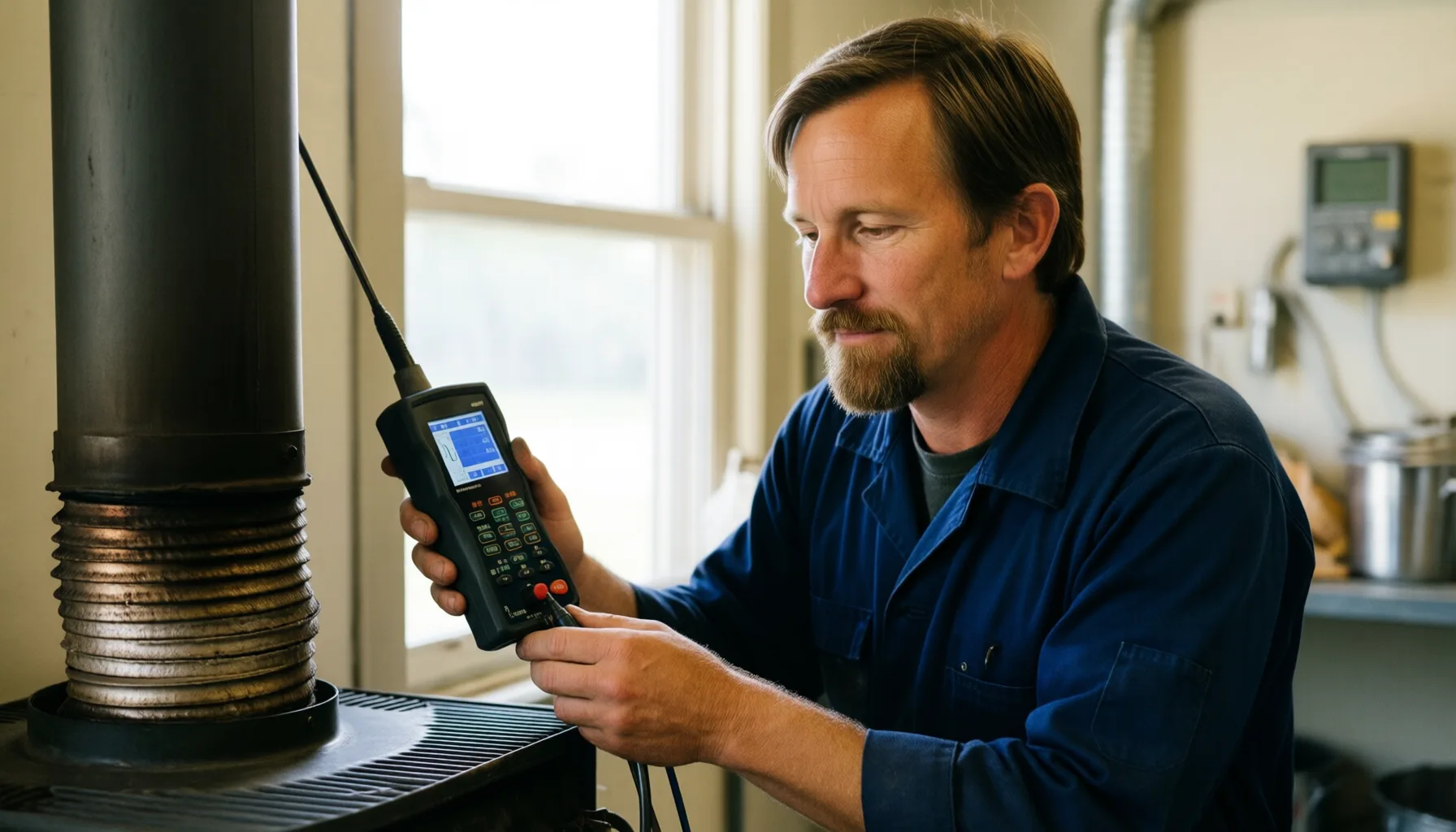
Bringing in an expert who understands Miami’s unique challenges is invaluable when calculating precise cooling loads. A qualified technician can analyze environmental factors that impact AC performance and suggest adjustments or replacements as necessary.
Utilizing a professional can cost between $100 and $250 for comprehensive assessments, but this investment ensures the right system size is installed, eliminating future discomfort.
Miami Climate & Local Context
Miami's climate poses unique challenges for homeowners, particularly regarding air conditioning. With elevated homes designed to mitigate flood risks and humidity barriers fundamental to preventing moisture issues, proper AC load calculations become critical. In this coastal paradise, inadequate cooling systems can lead to mold growth and structural damage—problems that escalate quickly in Miami's warm, wet environment.
Local building codes often require strict adherence to ventilation and load calculation standards to ensure energy efficiency and longevity of HVAC systems. Understanding these regulations helps homeowners navigate AC installations while maintaining compliance with local laws.
When to Call a Professional
While DIY projects are enticing, HVAC systems often require a seasoned hand to ensure everything functions correctly. Consider tackling smaller tasks like changing filters or adjusting thermostat settings if you have basic skills. However, know when to call in the experts, especially when faced with complicated issues.
- Unit isn't cooling effectively despite regular maintenance
- Frequent cycling or unusual noises from the system
- Unexpected increases in energy bills
- Airflow issues or excessive humidity indoors
- Signs of corrosion or rust on unit components
- Water pooling around the unit
- If the system is over 10 years old and needs repairs
That's when contacting a professional like ColdMax Air Conditioning Repair can save you time, money, and hassle.
Frequently Asked Questions
What is the average lifespan of an AC unit in Miami?
Typically, an air conditioning unit can last between 10 to 15 years in Miami, depending on maintenance and environmental factors.
How do I know if my AC system is properly sized?
Signs include inconsistent temperatures across rooms, frequent repairs, and high energy bills—indicatives that a professional assessment is necessary.
What should I expect during a load calculation assessment?
An expert will evaluate your home's layout, insulation, and local climate conditions, considering factors unique to Miami to ensure accurate sizing.
How can humidity affect my cooling system?
High humidity levels can cause systems to struggle, leading to inefficiency; thus, it's vital for your AC load calculations to account for moisture as well as temperature.
Is a larger AC unit always better?
Not necessarily. Oversized units can lead to short cycling, increased humidity, energy wastage, and less effective cooling—accurate sizing is critical.
Get Expert Air Conditioning Repair Service in Miami
Maintaining comfort in your Miami home starts with understanding the importance of AC load calculations. If you're concerned about your AC system's performance or need an expert assessment, call (786) 396-6289 today.
ColdMax Air Conditioning Repair is here to ensure that your home remains a cool refuge, even on the hottest Miami days.